What Is a Design System? Why Do Growing Websites Fall Apart?
A design system is the collection of the colors, typefaces, spacing, buttons and page elements used on a website, gathered into a single set of rules. Websites without a design system start to look a little messier with every new page and campaign. At Diyojen, we advise every business that plans to grow to build its website as a system rather than a pile of pages.
What exactly is a design system?
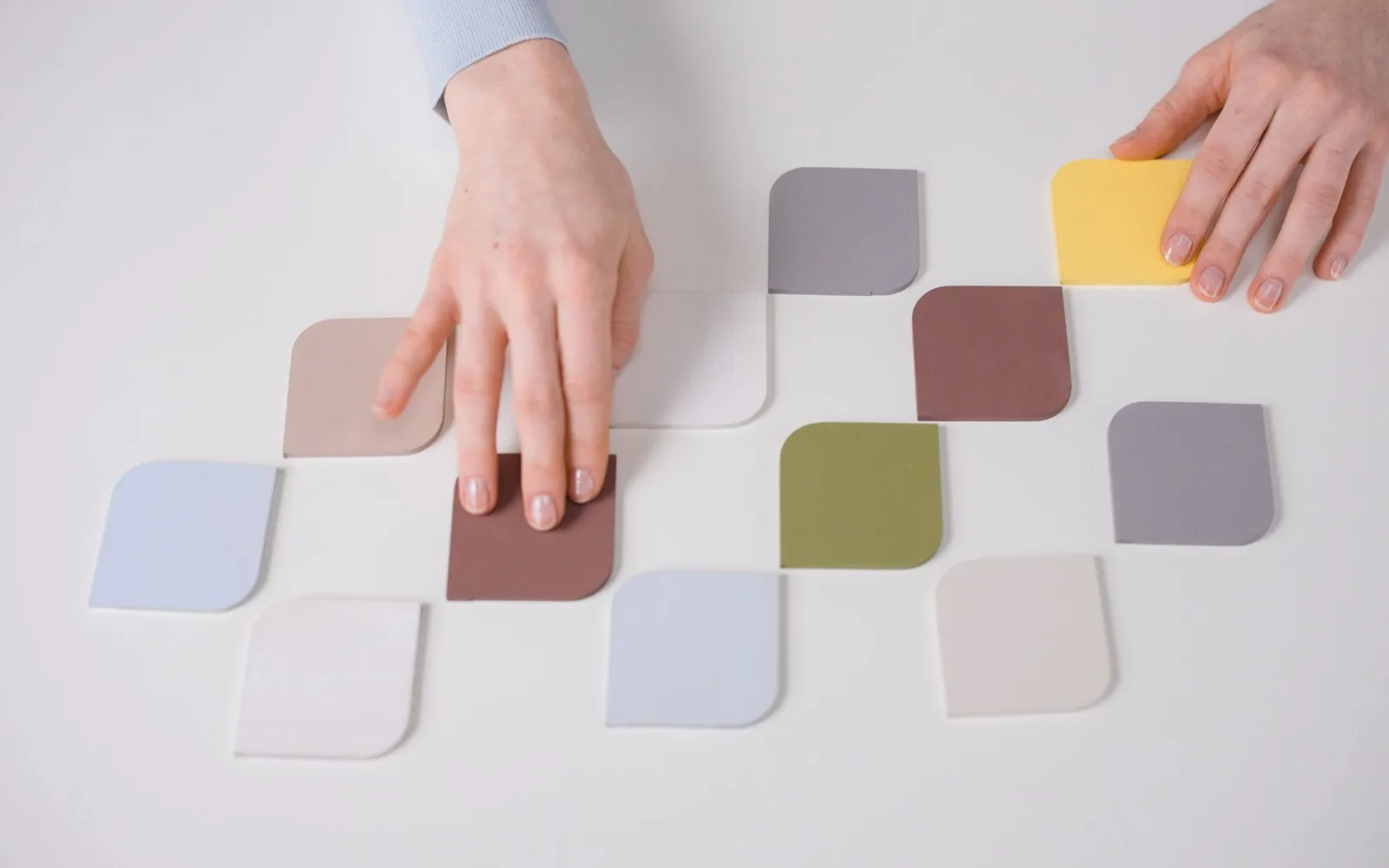
A design system is a library of reusable parts, along with the rules for using them, that defines how a digital product looks and behaves. To put it another way, a design system is like a box of Lego: the pieces are defined in advance, and every new structure is built from the same pieces.
Each piece in this library is called a component. A component is a ready-made interface element that is used again and again across the site, such as a button, a contact form or a product card. Once a component is designed correctly, it looks the same everywhere on the site. Nielsen Norman Group's article on design systems also describes this structure as a fundamental tool for consistency and speed.
Why does a site without a design system fall apart over time?
On sites without a design system, every new page is designed from scratch based on the circumstances of the day, so small differences pile up and the site gradually starts to look inconsistent. This doesn't happen overnight; it creeps in over months without anyone noticing.
These are the symptoms we see most often on the sites our design team audits:
- Different buttons doing the same job: A rounded blue button on one page, a square navy button on another.
- Colors that are close but not identical: Three different shades of the brand's red used across different pages.
- Inconsistent heading sizes: The main heading on one page is smaller than a subheading on another.
- Random spacing: The distance between sections differs on every page.
Individually, these differences seem trivial, but even if visitors don't consciously notice them, they sense that the site is careless. A site that looks careless also weakens trust in the brand.
What does a website design system include?
A website design system essentially includes visual rules, components and instructions for using those components. The table below summarizes the main layers Diyojen includes in a design system:
| Layer | What does it include? | Benefit to the business |
|---|---|---|
| Color palette | Primary color, secondary colors, warning and confirmation colors | The brand appears in the same shade on every page |
| Typography | Typefaces, heading and body text sizes, line spacing | Text is readable and well organized |
| Spacing and grid | Page width, column layout, standard distances | Pages look balanced and cohesive |
| Components | Button, form, card, menu, gallery, footer | New pages are produced quickly and without errors |
| States | How a button looks on hover, on click and when disabled | Visitors understand what is clickable |
| Accessibility rules | Color contrast, minimum font size | Visitors with visual impairments can also use the site comfortably |
The core reference for accessibility rules is the WCAG guidelines published by the W3C. WCAG is an internationally recognized set of rules that ensures web content can be used by everyone.
How does a component library work in Figma?
A component library in Figma is a setup where all components are kept in a single master file and other designs are linked to that file. When the color of a button changes in the master file, every page design that uses that button is updated automatically. At Diyojen, we first build the design system in Figma, then carry the same rules into code together with our development team, so the design file and the live site never drift apart.
What is the difference between a design system and a brand identity guide?
A brand identity guide explains how the brand should look in every medium, while a design system defines how that identity works in digital interfaces. The two are not rivals; one is a continuation of the other.
| Topic | Brand identity guide | Design system |
|---|---|---|
| Scope | Logo, business card, signage, packaging, presentations | Website, app, admin panel |
| Focus | How the brand looks | How the interface looks and behaves |
| Example rule | The clear space to leave around the logo | The color and position of the message when a form error occurs |
| Used by | Printers, sign makers, graphic designers | Interface designers, developers |
A solid design system is built on a solid brand identity. For businesses that don't yet have a clearly defined identity, the first step is usually brand identity work.
Which businesses need a design system?
Any business with more than one website or brand, or with a website that regularly adds new pages, benefits directly from a design system. A single-page promotional site may not need a comprehensive system, but basic color and typography rules should still be defined.
A design system is especially valuable in the following situations:
- Groups with multiple branches, hotels or sub-brands
- E-commerce sites that constantly launch campaign pages
- Companies that use a customer portal or management software alongside their website
- Organizations where the site is updated by different people or different teams
A concrete example of this approach is the Sunis Hotels project. For Sunis Hotels, which has five hotels in Antalya and İzmir, we designed the group website and each hotel's own website using the same design system. As a result, each hotel keeps its own identity, while visitors feel they are part of the same group no matter which hotel's site they are on.
Can a ready-made theme replace a design system?
A ready-made theme cannot replace a design system, because a theme is built to fit as many businesses as possible, not your brand. Themes do include color and button settings, but those settings stay within the limits the theme allows.
In terms of design systems, ready-made themes have limits that should be stated honestly:
- Looking like everyone else: Hundreds of sites using the same theme open with similar components.
- Plugin dependency: A plugin is added for every component the theme doesn't offer, and each plugin brings its own style and security risk.
- Unnecessary load: The code for dozens of components you don't use is still loaded onto the site.
- Limited customization: When you want a component unique to your brand, you end up fighting the theme's structure.
On a site that is custom designed and coded for the brand, however, the design system is built from scratch for your brand: only the components you need exist, each one speaks the brand's language, and the site grows stronger instead of falling apart as it expands.
In short
- A design system is a library that brings a site's colors, typography, spacing and components together into a single set of rules.
- Sites without a design system look a little more inconsistent and careless with every new page.
- A brand identity guide defines how the brand looks, while a design system defines how that look works in digital interfaces.
- Businesses with multiple brands, branches or frequently updated sites benefit most from a design system.
- Ready-made themes cannot replace a design system; a brand-specific system preserves consistency as the site grows.
If you want to think about your site not just in terms of today's pages but also the pages you'll add tomorrow, you can take a look at Diyojen's web design process, and we can talk together about what kind of system could be built for your brand.
Frequently Asked Questions
Does a small business website need a design system?
A small business may not need a comprehensive design system, but basic color, typeface and button rules should definitely be defined. These basic rules prevent inconsistency when the site grows later and make it possible to add new pages quickly.
Does building a design system make a website project take longer?
A design system takes a bit of time at the start of the project, but it shortens the design and development time of every page that follows. Once the components are ready, new pages are built from ready-made parts rather than from scratch.
Can a design system be added to my existing website later?
A design system can be added to an existing site later, but the inconsistencies on the site need to be identified first. In this process, similar components are merged and colors and font sizes are standardized; on sites that use a ready-made theme, this often requires a redesign because of the theme's limitations.
Is a design system the same as a brand identity?
A design system and a brand identity are not the same thing. A brand identity defines how the brand looks in every medium, such as its logo, colors and typography; a design system determines how that identity is used in digital interfaces like websites and apps.
Why is Figma used to build design systems?
Figma is widely used to build design systems because it can keep components in a single master file and link them to all other designs. A change made in the master file is automatically reflected in every page design where that component is used.